The Secret Superpowers of Everyday Stuff
- January 9, 2026
- By Ryan Harris
If you could look through a superhero’s microscope, you’d see that the world is already packed with powers that sound like science fiction. Your T-shirt, the window you stare through, even the sneakers on your feet – each hides a kind of magic built from chemistry, physics, and human curiosity.
Scientists didn’t just copy nature’s tricks; they found ways to make them even stronger, stranger, and smarter. Once you spot how much of this power surrounds you, even a trip to the kitchen can feel like an adventure inside a secret science lab.
The Metal That Remembers
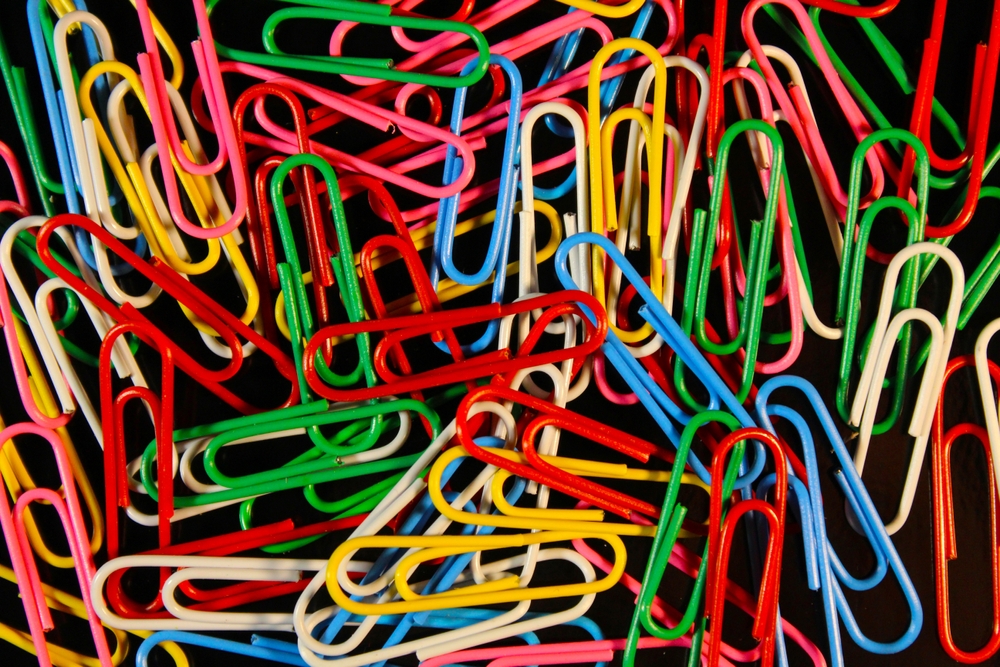
Imagine bending a paperclip, letting it go, and watching it spring perfectly back into shape. That’s what a shape-memory alloy can do – a real-life “super metal.” It’s made from a mix of nickel and titanium called nitinol. When it’s heated, its atoms snap back into a preset pattern, just like a superhero flexing muscles after a nap. Engineers use it in tiny robot parts, eyeglass frames, and even heart stents that expand inside blood vessels.
What makes nitinol special isn’t just strength – it’s memory. Most metals bend and stay bent because their atomic structure gets scrambled. But nitinol “remembers” its original pattern and rebuilds itself when warmed. It’s like metal with muscle memory, trained to return to form.
Scientists are now testing it in space probes and morphing airplane wings that change shape midflight. The future might be full of machines that don’t just move – but heal, adapt, and reshape themselves on command.
The Goo That’s Both Solid and Liquid
If you’ve ever mixed cornstarch and water, you’ve already made one of science’s weirdest combinations of matter. Push it hard, and it stiffens like a rock. Let it res,t and it melts in your hand. That’s a non-Newtonian fluid – a fancy term for goo that refuses to follow the usual rules. Think of something along the lines of ketchup, toothpaste or custard, too.
The secret lies in pressure. When you hit it fast, the particles jam together, forming a temporary solid. When you move slowly, they slide apart again. Scientists have used this strange behavior to design body armor that stays flexible until impact. It’s like wearing a shirt that turns into a shield only when you need it.
Some researchers are exploring non-Newtonian fluids for earthquake protection and improving water buoyancy. Someday, we might fill buildings or vehicles with this goo so they can stiffen instantly during collisions or tremors. The line between silly science experiment and super-tech keeps getting blurrier.
The Glass That Heals Itself
Cracks are supposed to be final. Yet some modern glass refuses to give up that easily. “Self-healing” glass uses tiny chemical bonds that reconnect when broken – like puzzle pieces clicking back together. When a crack appears, the molecules sense the damage and rearrange themselves to close the gap.
This kind of glass isn’t just science fiction anymore. In Japan, researchers created a polymer that can be pressed together by hand after shattering, sealing itself without heat. Imagine phone screens that repair overnight or car windshields that mend after a pebble hit. The secret is chemistry that mimics biology – bonds that break but don’t forget how to reform.
These smart materials are changing how we think about damage and repair. Instead of replacing broken objects, we’ll soon expect them to fix themselves. In other words, our everyday stuff is learning a power usually reserved for comic book heroes: regeneration.
The Fabric That Stays Cool Under Pressure
Superheroes have their suits. Humans have smart textiles. Some fabrics today can sense heat, sweat, and sunlight, then adapt like living skin. One type of fiber expands to release body heat when you’re warm, then contracts to trap warmth when you’re cold.
It’s built using carbon nanotubes, and although it seems like it’s far-fetched, similar products will soon be available to the Average Joe. Nike’s new Therma-Fit Air Milano jacket will be able to inflate and deflate in a couple of second, and I’m honestly excited to see its debut at the Milan 2026 Winter Olympics.
These fabrics use nanotechnology – tiny particles that react to changes in temperature or humidity. But think of the possibilities in the context of human safety. Although we rely on the importance of OSHA nowadays, imagine workers in a foundry being able to walk carefreely with supersuits.
Sneakers use similar tricks. Foam soles remember your stride and adjust to cushion your feet better with every step. Don’t forget about the Nike 5% drama and how everyone suddenly became aware of the fact that wearing.
The Plastic That Eats Pollution
You know that joke – your grandpa was filled with asbestos, your dad with lead and you with microplastics. Plastic is a critical environmental risk nowadays – it clogs oceans, traps wildlife, and sticks around for centuries. But not all plastics are villains. Scientists have created “bioplastics” and polymers that decompose safely or even feed on pollutants. One experiment used bacteria that break down plastic bottles into harmless components. Another developed a material that absorbs carbon dioxide like a sponge.
These new plastics act more like cleanup crews than waste makers and can even get the help of plastic-like algae to reduce the ecological impact. They show how chemistry can rewrite nature’s rules to repair what we’ve damaged. A water bottle that dissolves in sunlight or a bag that vanishes in soil might sound like fantasy, but prototypes already exist. The real superpower isn’t indestructibility – it’s responsibility. Science is proving that strength can come from knowing when to disappear.
Seeing the World as a Secret Lab
You don’t need a cape or lab coat to spot these powers. They’re everywhere – buzzing in your devices, bouncing in your shoes, hiding in the glass of your tablet screen. The more you learn about how things work, the more the world starts to shimmer with possibility. A puddle of goo can teach physics. A broken phone can spark chemistry. A dusty old window can reveal the future of renewable energy.
Science isn’t separate from everyday life – it is everyday life. And once you see it that way, even the most ordinary object becomes extraordinary. Maybe the real superpower isn’t in the stuff around us at all. Maybe it’s in the curiosity that lets us see it for what it truly is: magic, explained.