Homeschooling Empowers Kids With Learning Differences
- February 2, 2026
- By Shelby Dersa
My then eight-year-old sat in the passenger seat refusing to step out of the car. Other people were behind us in the drop-off line impatiently waiting for me to drive away so their kids could go into school. My child did not want to go in. He began sobbing as he tried to explain why he didn’t want to attend regular school anymore.
A typical week at school for my child, who was struggling to navigate his ADHD and autism diagnosis, involved failed attempts to start and finish assignments, multiple calls hone from the teacher, being made fun of by other kids because he was a little different, and worst of all, feeling bad about himself.

After that day in the car, we decided to homeschool. I was questioning myself every step of the way. Although I had already been homeschooling my oldest child for a couple of years, every kid is different, and so I always thought it through very carefully with each of my three children. A few weeks in to this new journey with my son, I was reading a lesson aloud when he stopped me in my tracks. “I like school now, mom,” he interrupted. “Why’s that?” I asked. “You make it fun, and I don’t have to worry about anything anymore.” That’s the moment I knew I made the right choice.
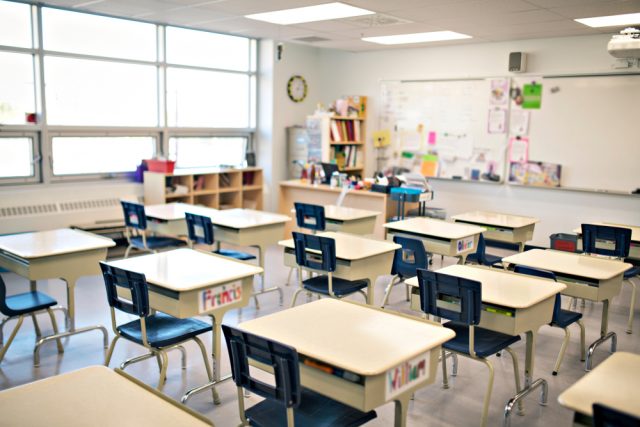
For many families, homeschooling is not a last resort—it is a deliberate, empowering choice. For children with learning differences such as ADHD, dyslexia, autism spectrum disorder, or sensory processing challenges, traditional classrooms can unintentionally magnify struggles. Homeschooling offers an alternative model—one that prioritizes flexibility, dignity, and a child’s unique way of learning.
Learning at the Child’s Pace, Not the System’s
One of the most significant lessons I had to learn as a homeschool parent is realizing that I could let go of typical expectations. After all, homeschooling is not a typical form of education, so why would we measure success the same way? The greatest advantage of home education is the ability to adjust the pace of learning. In a conventional classroom, teachers must move forward according to schedules and standardized benchmarks. For children with learning differences, this can lead to chronic frustration or feelings of failure. Putting pressure on these students to keep up has the opposite effect…they fall through the cracks instead.
A homeschooling environment allows children to slow down where they need more time and move quickly through areas of strength. A child with dyslexia may take longer to master reading but excel in oral storytelling or science experiments. Instead of being labeled “behind,” the child experiences success alongside challenge—building confidence rather than shame.
Personalized Teaching Methods That Actually Work
Children with learning differences often thrive when information is presented in specific ways—hands-on activities, visual supports, movement-based lessons, or real-world application. It took some time to figure out what worked and what didn’t with my son. Homeschooling enables parents to tailor instruction to the child rather than forcing the child to adapt to one teaching style. This can be hard for parents to understand sometimes because they most likely grew up in a regular classroom with a completely different approach…whatever one the teacher was using and that was it. Once the parent who is homeschooling realizes the endless ways that a child can learn, new doors will open up.
A math lesson might involve cooking, building, or outdoor measurement. History can be explored through documentaries, museums, audiobooks, or role-playing. This personalization improves comprehension even more.
Reduced Stress and Emotional Safety
Many children with learning differences experience heightened stress in traditional school environments. Constant comparisons, timed tests, sensory overload, or social pressures can lead to anxiety, burnout, or behavioral challenges. I saw first-hand the impact these factors had on my son. When it comes down to it, mental health tops everything else.
Homeschooling creates an emotionally safer learning space. Children are free to ask questions without fear of embarrassment, take breaks when overwhelmed, and learn in environments that support regulation. When stress decreases, curiosity and motivation naturally increase.
Flexible Schedules That Support Energy and Focus
Many children with ADHD, sensory sensitivities, or executive functioning challenges struggle with long school days and rigid schedules. Likewise, the hard work that kids with dyslexia have to endure makes for a tiring day as well. Homeschooling allows families to structure learning around natural energy rhythms.
Shorter lessons, frequent movement breaks, learning in the morning or afternoon—these adjustments can dramatically improve focus and retention. Education becomes sustainable instead of exhausting. School doesn’t have to start strictly at eight a.m. It can start anytime you choose.
Stronger Relationships and Self-Advocacy Skills
There is this fear that homeschooling might prevent independence and therefore the skill to advocate for oneself. This couldn’t be further from the truth. Homeschooling fosters close relationships between parents and children, creating space for ongoing communication about needs, goals, and challenges. Over time, children learn to articulate how they learn best and what supports help them succeed. They begin using this skill in settings outside of the home, such as at homeschool co-ops, extracurricular activities, or even their first job during their teen years.
These self-advocacy skills are invaluable. Whether children later enter college, the workforce, or group learning environments, they carry a deep understanding of themselves and the confidence to ask for what they need.
A Different Path, Not a Lesser One
Homeschooling does not remove challenges—but it removes unnecessary barriers. It offers children with learning differences a chance to learn in ways that honor who they are rather than who they are expected to be.
When education adapts to the growth of the child, they don’t just survive—they thrive.