Teaching March 2026
- February 25, 2026
- By KIDS DISCOVER
As winter gives way to spring, students are ready for new ideas, fresh discussions, and opportunities to explore big moments in history and science. From revolutionary turning points to groundbreaking discoveries, March offers meaningful connections across social studies and science instruction. Below are eight important dates that can help shape engaging, standards-aligned lessons throughout the month.

Women’s History Month
March is Women’s History Month, an opportunity to recognize the leadership, courage, and achievements of women throughout history. Teachers can use our Suffragists Unit and Women’s History Landing Page to introduce students to influential figures who shaped civic life, science, reform movements, and culture. These resources encourage students to examine the long fight for equal rights while reflecting on how women continue to influence society today.
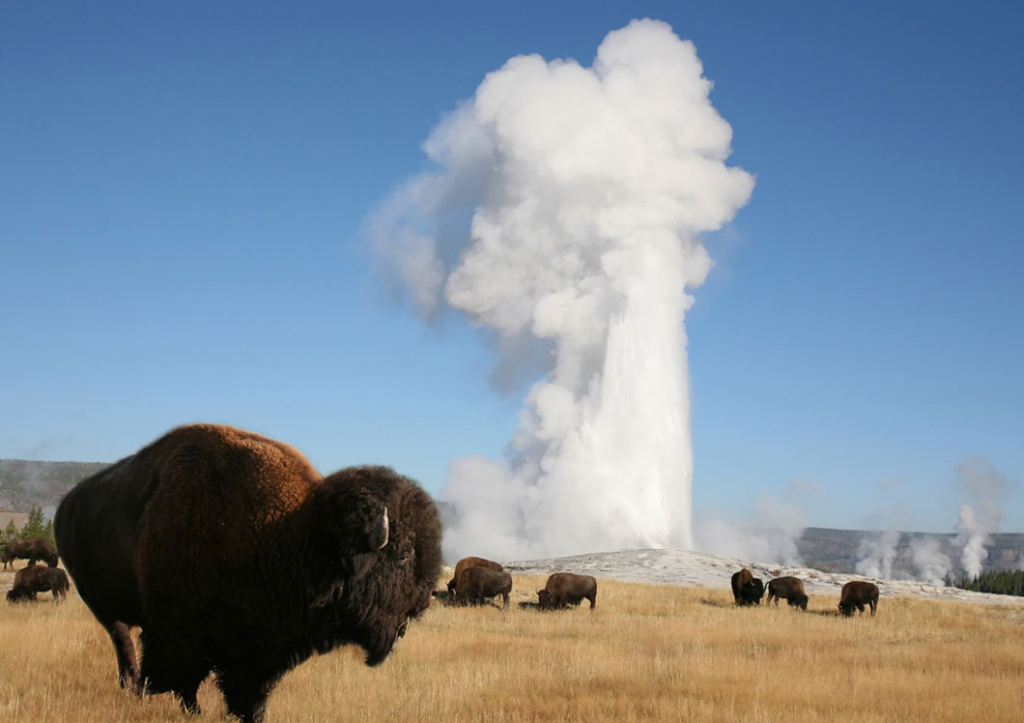
March 1 – Yellowstone National Park Established (1872)
When Yellowstone became the first national park in 1872, it marked a major step toward environmental conservation. This moment provides a natural connection to geography, ecosystems, and the importance of protecting natural spaces. Our Destinations Unit helps students explore remarkable places around the world, including our National Parks. Teachers can guide conversations about conservation efforts and how national parks protect landscapes for future generations.

March 5 – Boston Massacre (1770)
The Boston Massacre was a critical event in the growing tensions between the American colonies and Great Britain. Studying this moment helps students understand how conflict and public opinion influenced the road to independence. Through our Boston Tea Party Unit and American Revolution Unit, students can examine different perspectives, analyze causes and consequences, and explore how this event shaped colonial resistance.

March 7 – Alexander Graham Bell Receives Patent for the Telephone (1876)
Alexander Graham Bell’s telephone transformed communication and reshaped daily life. This milestone offers an engaging way to explore innovation and technological progress. Our Inventions Unit allows students to investigate how creative ideas become practical tools that change society. Teachers can encourage students to compare early communication methods with modern technology and reflect on how inventions influence connection and collaboration.

March 13 – Uranus Discovered (1781)
The discovery of Uranus expanded scientific understanding of our solar system and demonstrated the power of observation and technology. It was the first planet identified using a telescope, highlighting how tools shape discovery. Students can explore this event through our Planets Unit, Solar Systems Unit, and Telescopes Unit, examining how astronomers study distant worlds and how our knowledge of space continues to evolve.

March 15 – The Ides of March
The Ides of March is closely associated with the assassination of Julius Caesar in 44 BCE, a turning point in Roman history. This event opens discussions about leadership, power, and political change. Through our Roman Empire Unit, students can explore the rise and transformation of Rome while examining how individual actions can influence the direction of entire civilizations.

March 22 – World Water Day
World Water Day encourages students to reflect on the importance of water as a vital resource. From the water cycle to conservation, this observance connects science concepts to real-world responsibility. Our Water Unit helps students understand how water supports ecosystems, shapes Earth’s surface, and sustains life. Teachers can extend learning by discussing access to clean water and sustainable practices.

March 23 – National Puppy Day
National Puppy Day provides a fun and meaningful opportunity to explore animal science. Our Dogs Unit introduces students to domestication, adaptation, and the relationship between humans and animals. Teachers can connect this topic to broader discussions about animal behavior, selective breeding, and responsible pet care while engaging students with a subject they naturally enjoy.