Teaching May 2026
- April 28, 2026
- By KIDS DISCOVER
May is filled with meaningful moments that connect history, science, and civic understanding in powerful ways. As the school year winds down, these dates offer opportunities to keep students engaged while reinforcing key concepts across disciplines. With Kids Discover Online, you can explore Units and Topics that bring these events to life—helping students make connections, ask questions, and deepen their understanding of the world around them.
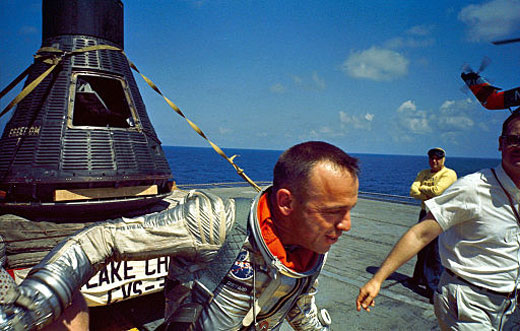
May 5 – Alan Shepard Becomes the First American in Space (1961)
On this day in 1961, Alan Shepard became the first American to travel into space, marking a major milestone in the Space Race. This achievement not only advanced scientific exploration but also reflected the political and technological competition of the mid-20th century. Use the Space Unit to explore the fundamentals of space travel and human exploration, and connect to the Mid-20th Century in the U.S. Unit to help students understand the broader historical context of this moment.

May 8 – V-E Day is Celebrated in America and Britain (1945)
Victory in Europe Day marks the end of World War II in Europe and a moment of relief and reflection for nations across the globe. It’s an opportunity for students to consider both the celebrations and the sacrifices that defined this time. The World War II Unit helps students explore the major events of the war, the experiences of people on the home front, and the lasting impact of this global conflict.
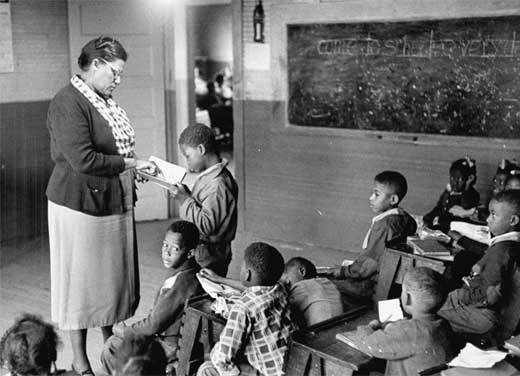
May 17 – Brown v. Board of Education Decision (1954)
On May 17, 1954, the Supreme Court ruled that racial segregation in public schools was unconstitutional, a landmark decision in the fight for civil rights. This moment reshaped American education and became a catalyst for further change. Use the Civil Rights Unit to help students understand the importance of this decision, the people involved, and the broader movement for equality and justice in the United States.
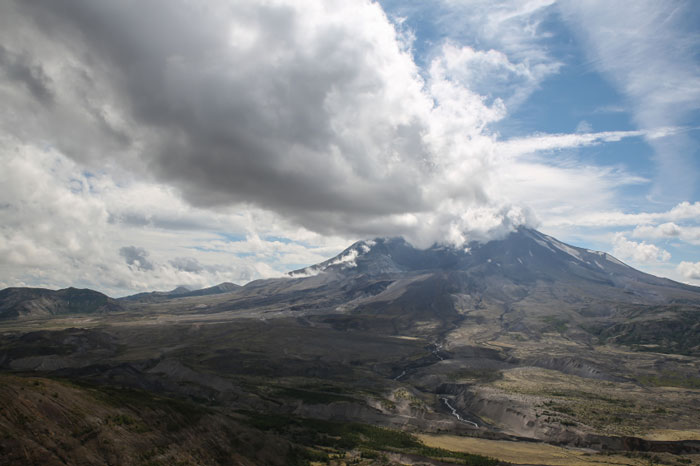
May 18 – Mount St. Helens Erupts (1980)
The eruption of Mount St. Helens in 1980 remains one of the most significant volcanic events in U.S. history. It provides a powerful example of how natural forces can shape the land and impact communities. In the Volcanoes Unit, students can explore how volcanoes form, why they erupt, and what scientists have learned from studying these dramatic events.
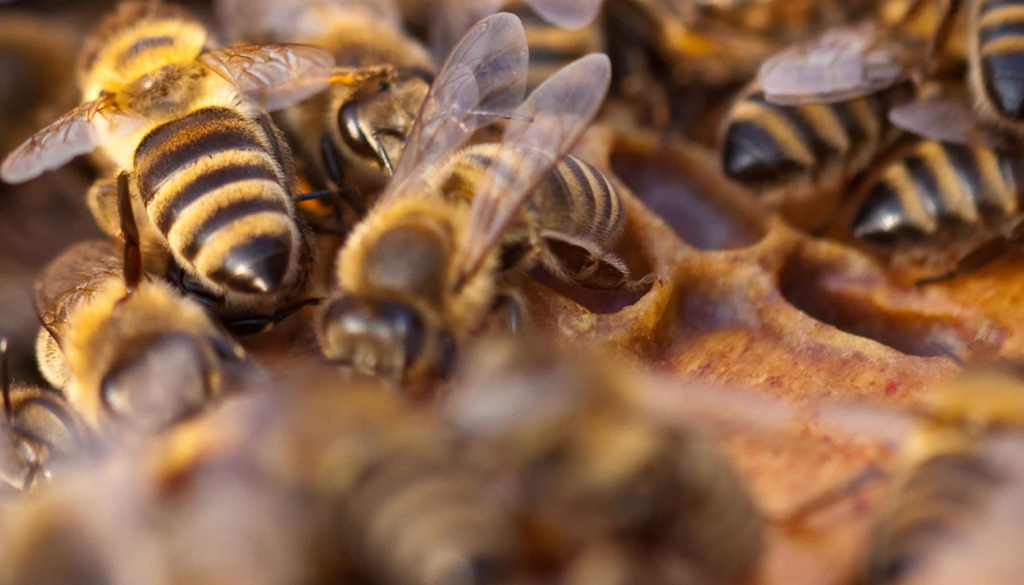
May 20 – World Bee Day
World Bee Day highlights the essential role bees play in pollination and maintaining healthy ecosystems. These small but powerful creatures are responsible for supporting much of the world’s food supply. Use the Bees Unit to help students understand how bees contribute to ecosystems, how they communicate and work together, and why protecting pollinators is so important.
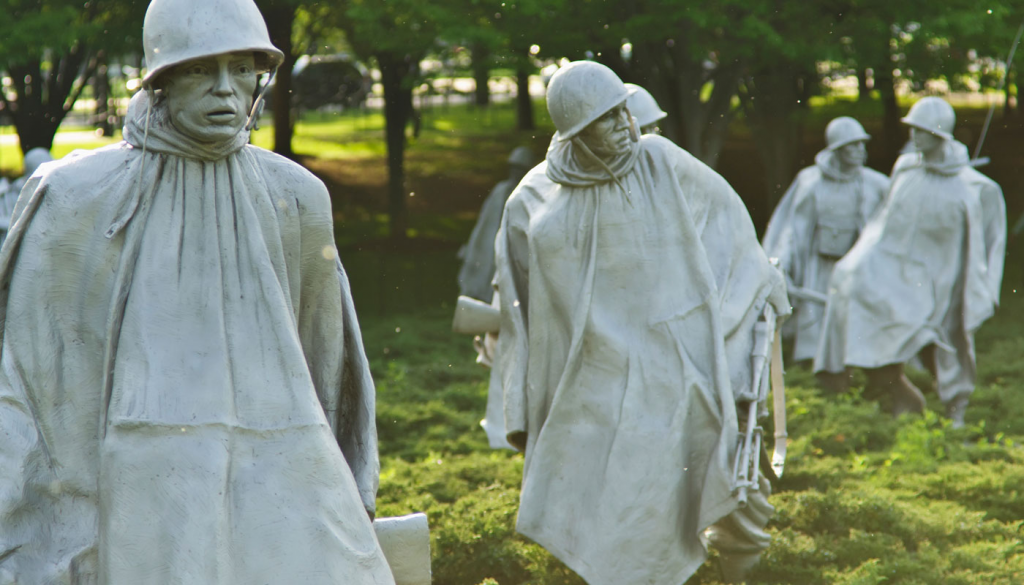
May 25 – Memorial Day
MMemorial Day is a time to honor and remember those who lost their lives in military service. It offers an important opportunity for reflection and connection to the nation’s history. Use the World War I and World War II Units to provide historical context, and explore The Monuments of Our Capital Topic from the Washington, D.C. Unit to help students understand how remembrance is reflected in national landmarks and traditions.
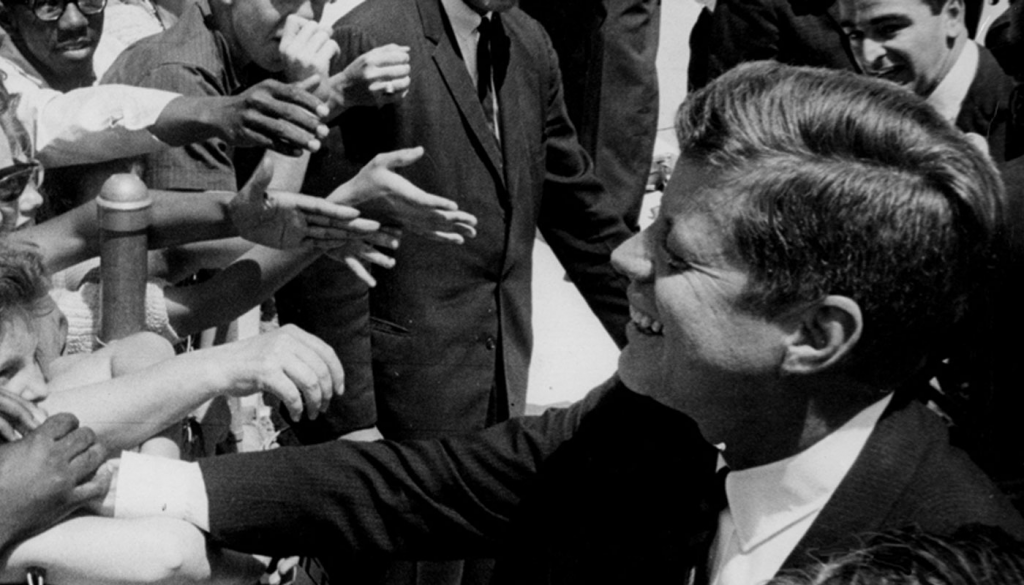
May 29 – John F. Kennedy’s Birthday
John F. Kennedy’s presidency was defined by moments of challenge, leadership, and vision, including his role in the Space Race and major domestic initiatives. His legacy offers a meaningful way to explore leadership and decision-making during a pivotal time in American history. The JFK Unit helps students examine his life, presidency, and lasting impact on the nation.