Teaching November 2026
- October 29, 2026
- By KIDS DISCOVER
November is full of opportunities to bring history, science, and discovery into your classroom! From exploring the American government to celebrating groundbreaking scientific discoveries, this month offers plenty of ways to connect important events to your curriculum. We’ve rounded up eight November teaching opportunities, along with engaging resources from Kids Discover, to help bring these topics to life for your students.
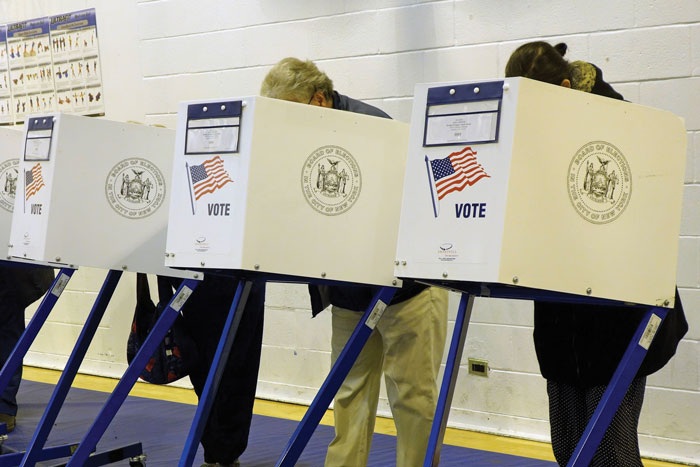
Election Day is the perfect opportunity to introduce students to the democratic process and the importance of civic participation. Students can discover the foundations of American democracy and the responsibilities of citizenship. Use our American Government Unit to help students better understand how our government works and why voting matters.
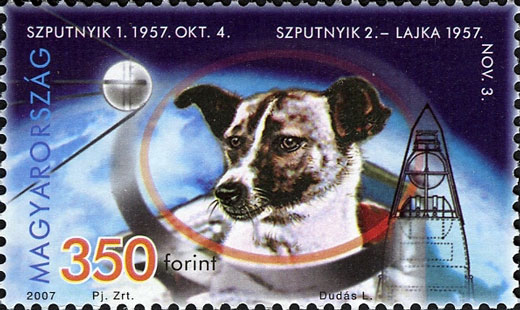
November 3 – Sputnik 2 Launches into Space (1957)
On November 3, 1957, the Soviet Union launched Sputnik 2, carrying a dog named Laika into orbit. This historic mission marked the first time an animal orbited Earth and represented an important milestone in the Space Race. Although Laika did not survive the mission, her journey contributed to scientists’ understanding of spaceflight. Explore the technological advancements and international competition of the era with our Mid-20th Century Unit, then take a closer look at the wonders of space exploration with our Space Unit.
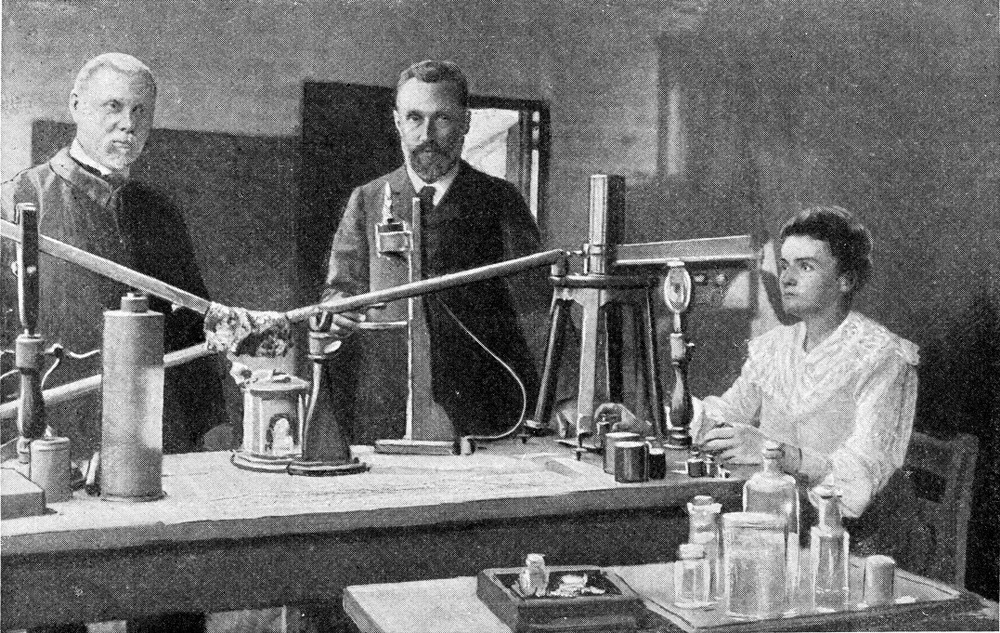
November 7 – Marie Curie’s Birthday
Born on November 7, 1867, Marie Curie was a pioneering scientist whose groundbreaking research transformed our understanding of radioactivity. She discovered the elements polonium and radium and became the first woman to receive a Nobel Prize. She remains the only person to win Nobel Prizes in two different scientific disciplines. Celebrate her remarkable contributions by introducing students to atoms, elements, and chemical discoveries with our Chemistry Unit.
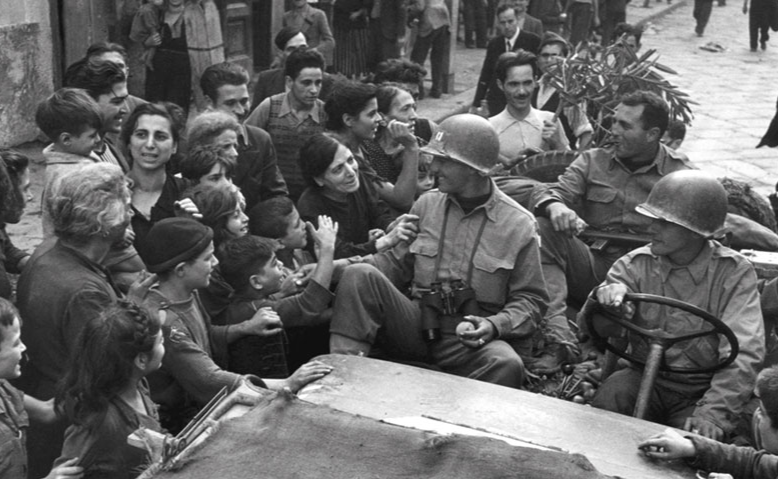
Each November 11, Americans honor the men and women who have served in the United States Armed Forces. Originally established as Armistice Day to commemorate the end of fighting in World War I, the holiday later became Veterans Day to recognize veterans of all eras. Help students explore the historical significance of military service with our World War I and World War II Units. You can also take a virtual trip to our nation’s capital with The Monuments of Our Capital Video, introducing students to important national memorials and the people and events they commemorate.

November 14 – World Diabetes Day
Observed annually on November 14, World Diabetes Day raises awareness about diabetes and the importance of understanding how our bodies function. It’s a great opportunity to introduce students to the role of blood in transporting nutrients and oxygen, as well as how the body uses food for energy. With our Blood and Nutrition Units, students can explore the circulatory system, healthy eating, and the fascinating ways our bodies work together to keep us functioning.

November 15 – America Recycles Day
America Recycles Day encourages individuals and communities to reduce waste, reuse materials, and recycle responsibly. Bring environmental science into your classroom by exploring how everyday choices affect our planet and why protecting natural resources matters. Our Conservation Unit helps students discover the importance of sustainability, resource management, and protecting Earth’s ecosystems for future generations.
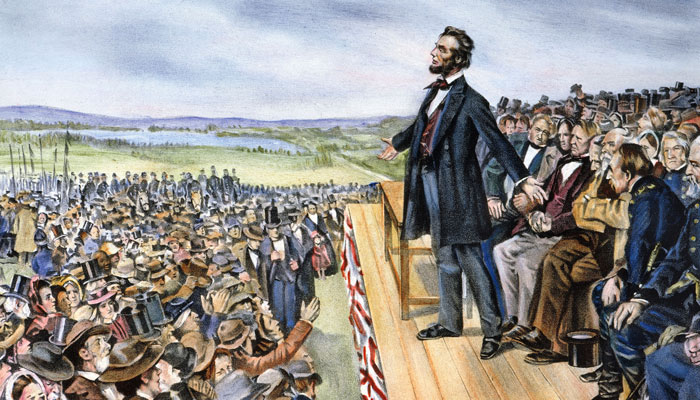
November 19 – Lincoln Delivers Gettysburg Address (1863)
On November 19, 1863, President Abraham Lincoln delivered one of the most famous speeches in American history at the dedication of a military cemetery in Gettysburg, Pennsylvania. In just a few minutes, Lincoln reflected on the nation’s principles and the importance of equality and democracy during the Civil War. Use our Lincoln and Civil War Units to share this pivotal period in American history and explore how the Gettysburg Address continues to shape our understanding of American ideals.
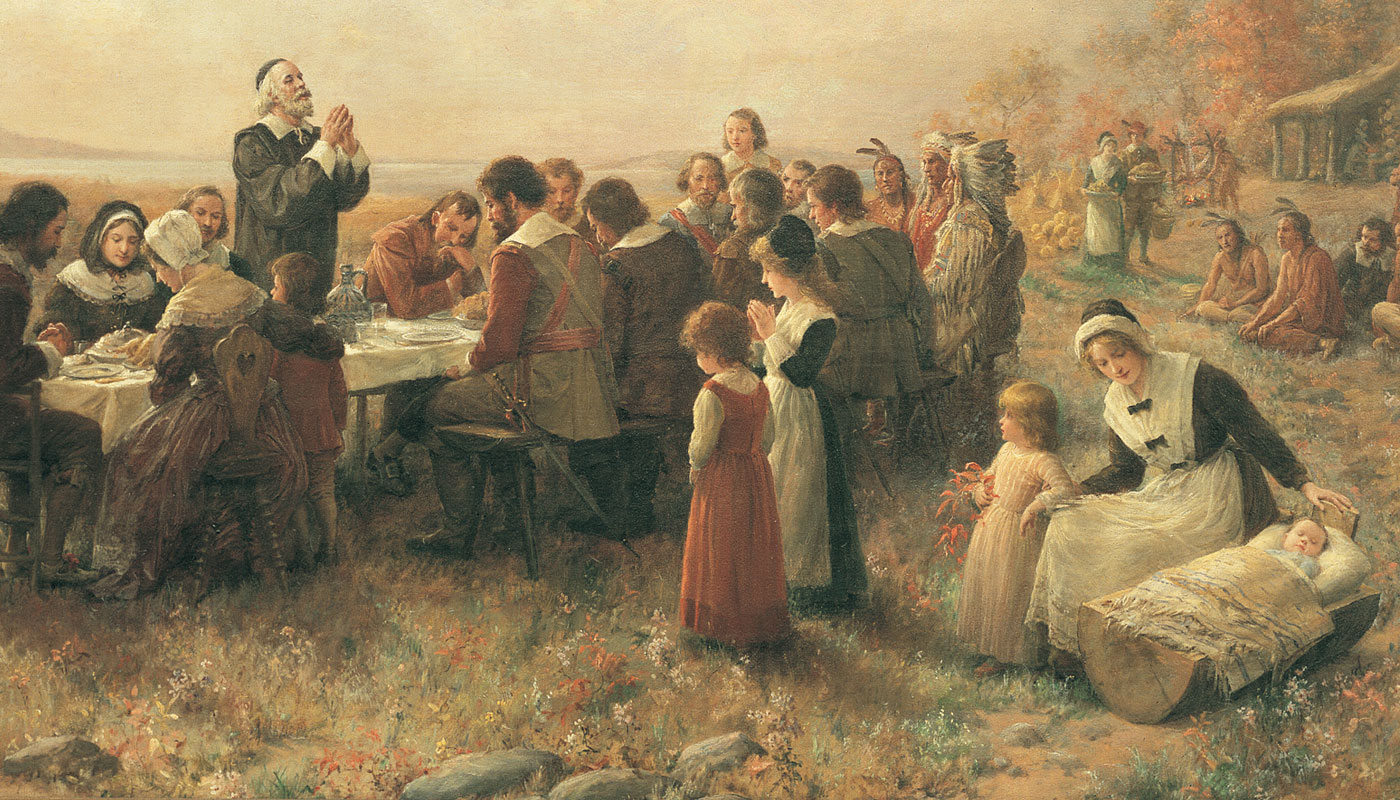
Thanksgiving offers an opportunity to explore early American history while encouraging students to consider the experiences and perspectives of Indigenous peoples. As students learn about the 1621 harvest gathering involving the Wampanoag people and English colonists at Plymouth, it’s important to recognize that Native American history extends far beyond this single event. Through our Native America and Colonial America Units, students can examine early encounters between Indigenous peoples and European settlers, consider multiple historical perspectives, and develop a more complete understanding of this period in American history.