Beyond the Classroom Walls: Why Schools Should Partner with Local Nonprofits
- November 18, 2026
- By Thom Smith
As educators, we spend a tremendous amount of time thinking about curriculum, instruction, student engagement, and ways to make learning meaningful. We plan lessons, gather resources, create activities, and look for opportunities to help students connect what they’re learning in the classroom to the world around them. But here’s a question worth asking: Are we taking full advantage of the educational resources right in our own communities?
Every community has organizations doing incredible work. Many are nonprofit organizations with passionate, knowledgeable people who are eager to share their expertise, resources, and experiences with students. Whether it’s a nature center, historical society, local museum, conservation organization, or performing arts group, these organizations can become valuable educational partners for schools.
And the best part? You don’t have to do all the work yourself! Some of the best learning opportunities for students might be just down the road.
A Great Example: Seacoast Science Center
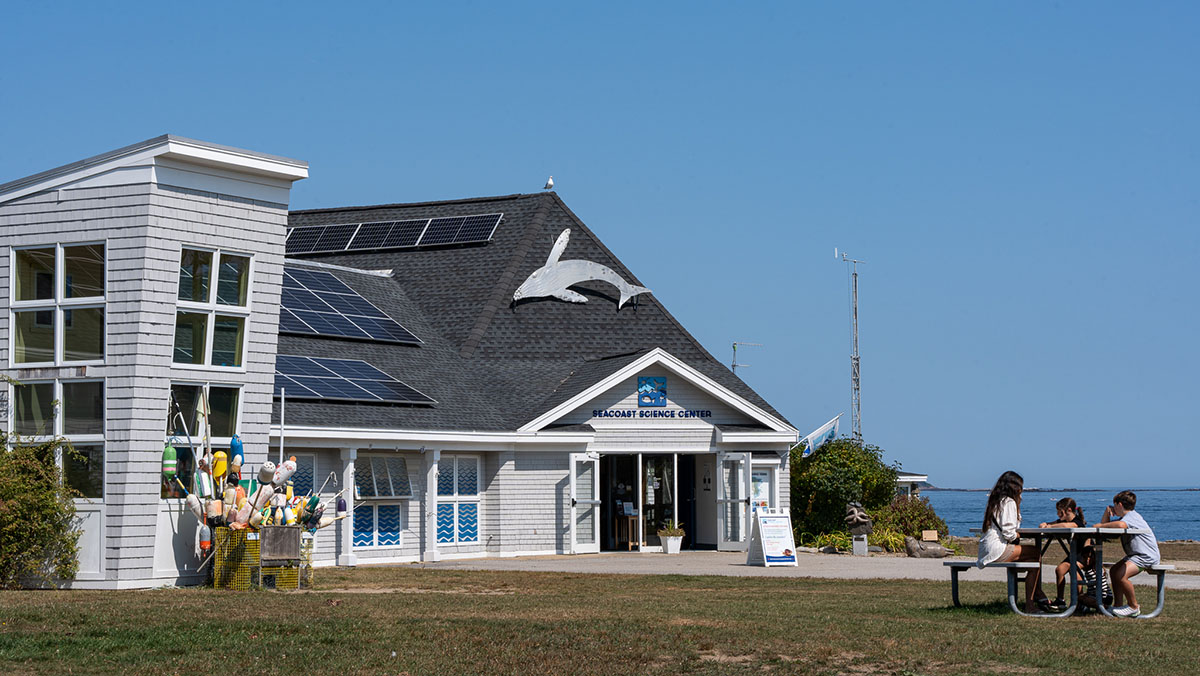
One organization doing an outstanding job of collaborating with educators is the Seacoast Science Center (SSC) in Rye, New Hampshire. Through its marine science and environmental education programs, SSC provides students with opportunities to experience learning in ways that are difficult to replicate within a traditional classroom.
I recently had the opportunity to interview Debbie Lyons, Program Manager at Seacoast Science Center, to learn more about how the organization works with schools, teachers, and homeschool families.
One of Debbie’s central messages was that teachers should look beyond their school walls and embrace place-based, experiential learning. There’s something powerful about students exploring a new habitat, observing wildlife firsthand, or encountering something in nature they’ve only previously read about in a book.
Imagine a student who has learned about sea stars through a textbook. They know what a sea star is, what it looks like, and perhaps even how it moves. Now imagine that same student seeing a live sea star, observing its tiny tube feet, and watching how it interacts with its environment. That’s a different kind of learning!
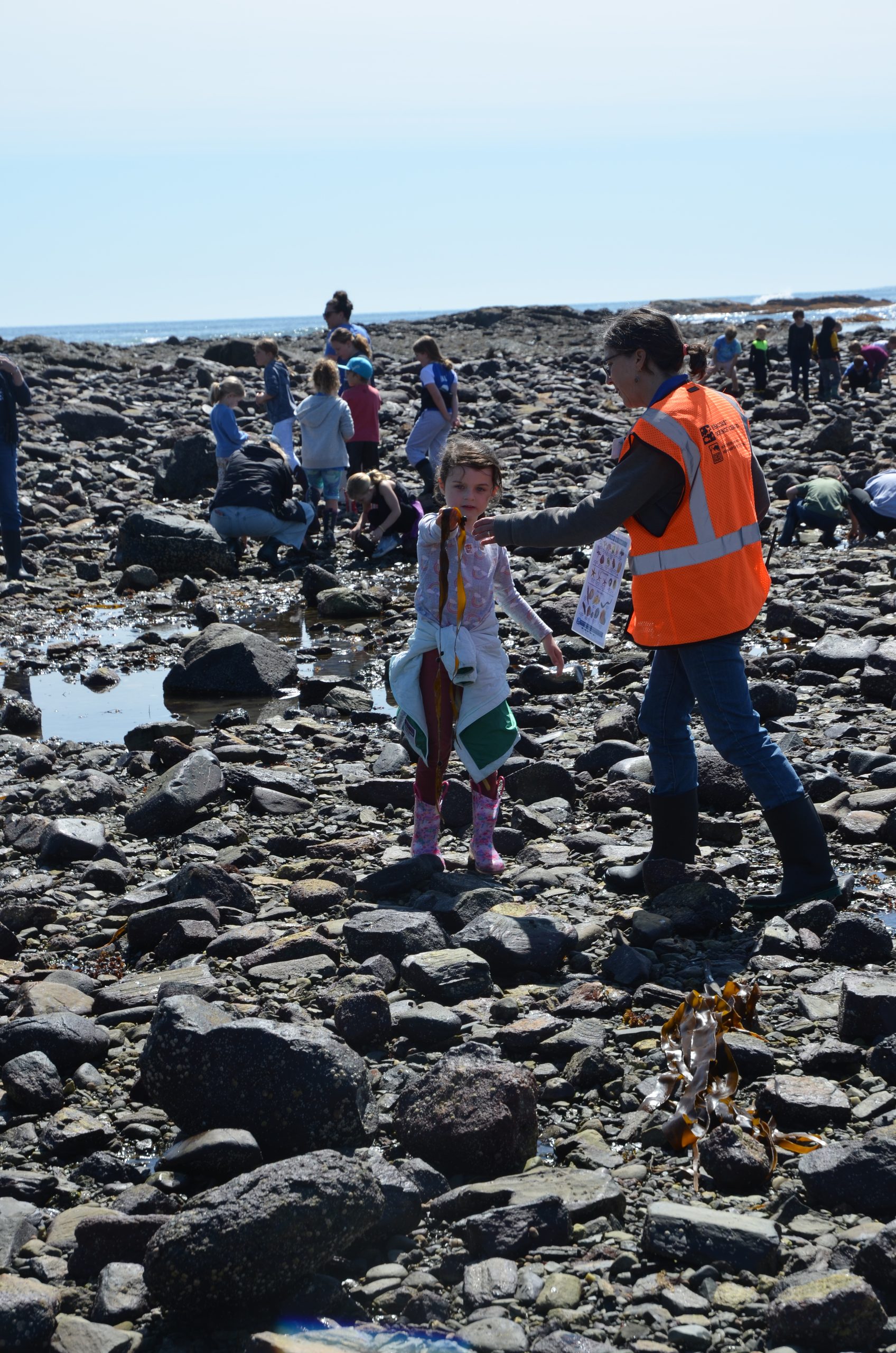
Debbie shared that programs like SSC’s Coastal Critters and Rocky Shore Exploration give students opportunities to observe live tide pool animals up close. These experiences encourage students to slow down, make observations, ask questions, and discover things for themselves.
As Debbie explained, the goal isn’t simply to get students outside the classroom. It’s to spark a sense of wonder and appreciation that continues long after the experience ends.
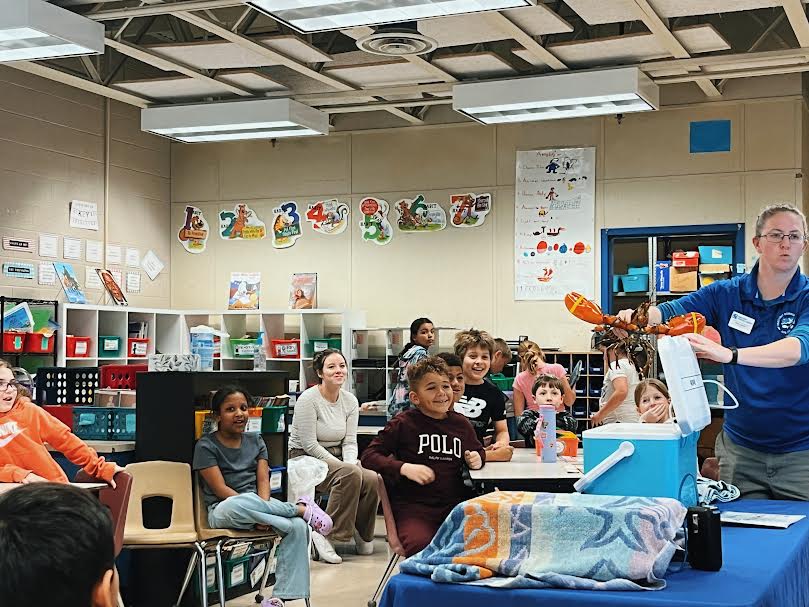
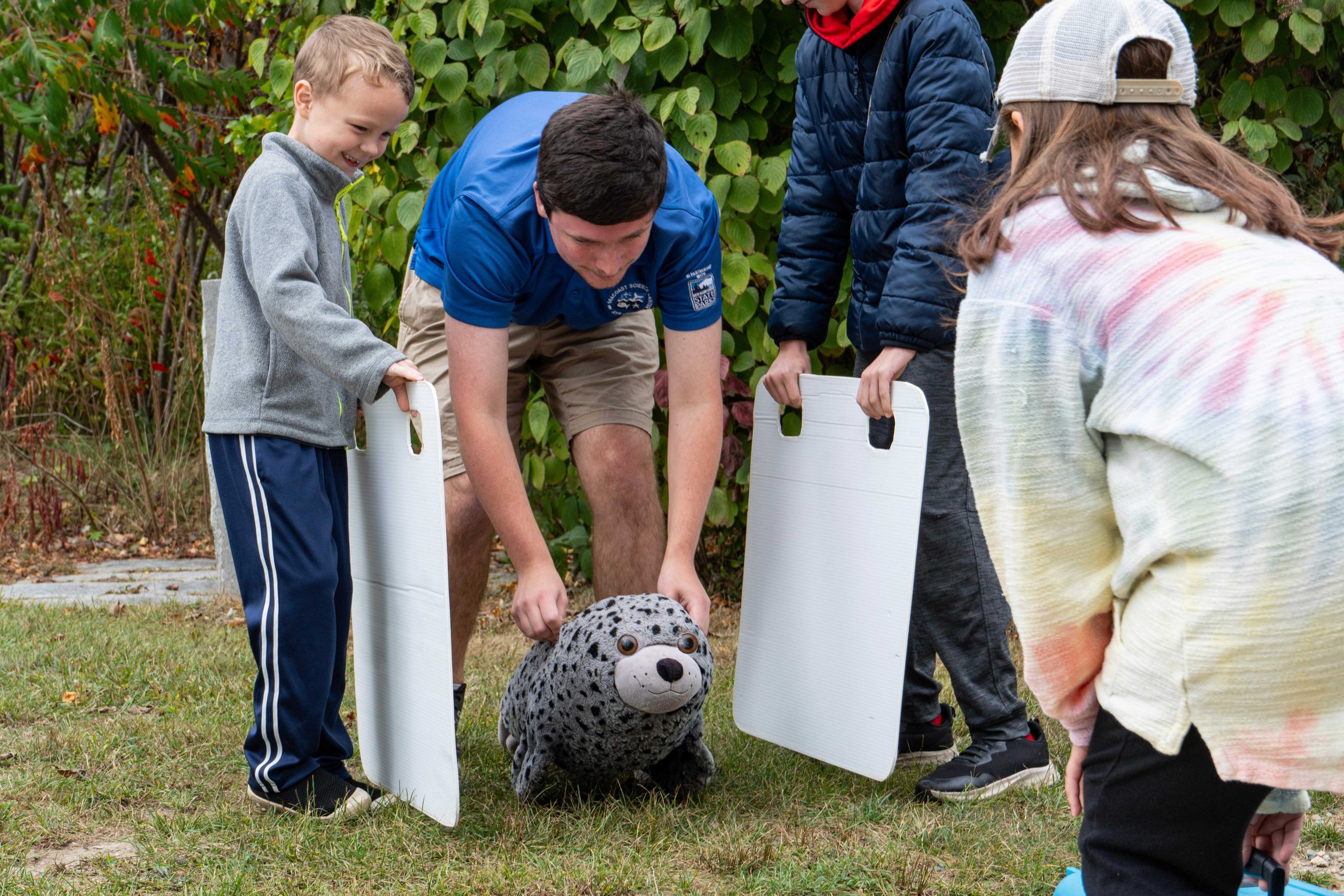
And SSC doesn’t limit its work to students who can travel to the coast. The organization offers outreach programs that bring marine science directly into schools. Students can encounter live tide pool animals through Coastal Critters or learn about North Atlantic right whales through an inflatable whale named Katahdin!
Recognizing that transportation and financial limitations can sometimes prevent schools from accessing these opportunities, SSC also offers financial assistance for eligible educational programs.
Perhaps most importantly, Debbie emphasized that the people working at Seacoast Science Center aren’t simply leading field trips or delivering programs. They’re educators, too. They bring specialized knowledge, field experience, and a genuine passion for helping students connect with the natural world.
This distinction is important. When teachers partner with nonprofit organizations, they’re not just booking an activity. They’re connecting students with other educators who bring different perspectives, experiences, and expertise to the learning process.
So, What’s Available in Your Community?
Seacoast Science Center is just one example of what communities can offer. Depending on where you live, there may be dozens of organizations that would welcome the opportunity to work with your students.
Here are some types of nonprofit organizations worth exploring:
- Nature Centers and Environmental Organizations: Wildlife education, conservation, habitats, ecosystems, outdoor exploration, and environmental stewardship.
- Historical Societies and Preservation Groups: Local history, historical buildings, primary sources, community heritage, and living history experiences.
- Museums and Cultural Organizations: Art, science, history, culture, interactive exhibits, and educational workshops.
- Libraries and Literacy Organizations: Author visits, storytelling, reading programs, research skills, and literacy enrichment.
- Performing Arts Organizations: Music, theater, dance, storytelling, drama, and opportunities to experience live performances.
- Science and Technology Organizations: Engineering, robotics, astronomy, innovation, hands-on experiments, and STEM enrichment.
- Agricultural Organizations and Local Farms: Agriculture, food production, animal care, sustainability, and connections to the natural world.
- Conservation and Outdoor Recreation Groups: Trail exploration, land stewardship, water quality, gardening, and outdoor education.
- Community Service and Humanitarian Organizations: Volunteerism, civic responsibility, community needs, and opportunities to serve others.
- Health and Wellness Nonprofits: Nutrition education, physical activity, safety awareness, and healthy lifestyle programs.
The possibilities are almost endless. The key is to recognize that learning doesn’t have to happen exclusively in a school building, and educational opportunities don’t always have to be created by school personnel.
Why Should Schools Partner with Nonprofits?
If you’re wondering whether reaching out to a local nonprofit is worth the time and effort, consider some of the benefits. The following list was developed with the help of Debbie Lyons and reflects some of the potential advantages identified through experience working with schools and educators at the Seacoast Science Center. Of course, not all nonprofit organizations operate in exactly the same way or offer the same resources, programs, or services. The opportunities will vary depending on the organization, but these are some benefits worth exploring when considering a potential partnership:
- Access to Specialized Knowledge: Nonprofit educators and professionals often have expertise, training, and real-world experience that classroom teachers may not have.
- Meaningful, Hands-On Learning: Students can touch, explore, observe, investigate, and experience concepts rather than simply read about them.
- Increased Student Engagement: New environments, different instructors, and unexpected experiences can spark curiosity and excitement.
- Connections to the Curriculum: Community partnerships provide authentic opportunities to reinforce classroom learning and connect academic concepts to real-world applications.
- Exposure to New Perspectives: Students and teachers benefit from learning alongside people with different backgrounds, experiences, and areas of expertise.
- Greater Community Connections: Partnerships help students develop an appreciation for the people, organizations, and resources that make their communities special.
- Opportunities for All Learners: Many nonprofits offer outreach programs, financial assistance, or alternative programming to accommodate schools with different needs and resources.
- Professional Learning for Teachers: Teachers can observe other educators, discover new instructional approaches, and bring fresh ideas back to their own classrooms.
- Memorable Learning Experiences: Students often remember the experiences that surprise them, challenge them, and allow them to discover something firsthand.
- A Stronger Connection to the World Beyond School: Students begin to recognize that learning is not confined to a classroom, a textbook, or a school day.
How Do You Get Started?
One of the biggest takeaways from my conversation with Debbie was how easy it can be to begin a partnership. Sometimes, teachers simply need to make the first phone call or send the first email.
Teachers should also plan ahead. Making arrangements a month to several months in advance is recommended.
And don’t assume that a successful partnership begins and ends with a field trip. Debbie emphasized the importance of shared goals, communication, and connecting the experience to classroom learning before and after the programs your students will experience.
Teachers can introduce concepts beforehand, give students opportunities to explore and ask questions during the experience, and revisit their discoveries afterward. The curriculum should help frame the experience without taking away the excitement of authentic exploration.
If transportation or funding is a concern, ask about alternatives. You might be surprised by the outreach programs, financial assistance, and other resources available.
A Final Thought: You Don’t Have to Do It Alone!
Whether you teach in a public school, private school, or homeschool setting, there are educational opportunities waiting to be discovered in your community.
One of the things I appreciated most about my conversation with Debbie was the reminder that teachers don’t have to reinvent the wheel. Communities are filled with people, places, and organizations that want to help students learn.
Seacoast Science Center is a wonderful example of what can happen when an organization recognizes the importance of working alongside educators. Its programs demonstrate that meaningful learning can happen at the coast, inside a school building, or wherever students have an opportunity to explore, question, and discover.
So, here’s a challenge for educators: Identify one local nonprofit organization in your community that you haven’t worked with before. Reach out. Start a conversation. Ask what they offer.
You might discover a new educational partner, an unexpected resource, or an experience that your students will remember for years.
And who knows? That one email or phone call might open the door to some of the most meaningful learning your students experience all year!